

Mittens have traditionally been believed to prevent babies from scratching their face, particularly in the first few months when their nails are sharp and often grow unpredictably. However, research has now shown that it can actually do more harm than good. While mittens are often seen as a protective garment, there is a surprising connection between mittens on newborn hands and breastfeeding difficulties.
Are you wondering why those cute little mittens can actually hinder and interfere with your baby’s ability to nurse? Get ready to discover the real reason why this popular baby accessory may be causing more harm than good when it comes to feeding your little one. So, grab a cup of coffee and let’s dive in!
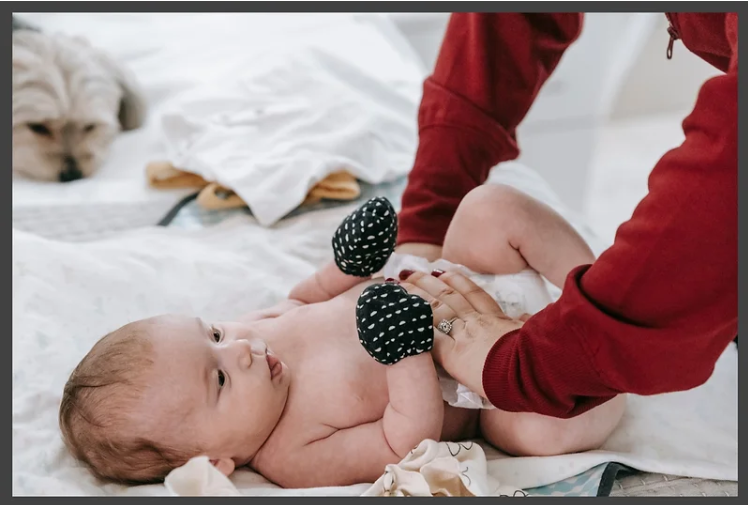
From the moment babies are born, they actively explore and interact with their surroundings. Their hands serve as a vital tool for learning about the world. They discover textures, practice grasping, and develop hand-eye coordination, ultimately aiding in their cognitive and motor development.
Restricting the movement of their hands by placing mittens can impede these natural processes. But what many parents may not realize is that a baby’s hands also play a crucial role in the breastfeeding process; specifically milk production.
The problem with mittens on newborns’ hands.
So, why exactly are those adorable mittens causing a problem for breastfeeding newborns? It all comes down to their instinctual need to use their hands while nursing.
When a baby is born, they already have a strong sucking reflex and a natural instinct to search for food. Part of this instinct involves using their hands to explore and find the breast. By wearing mittens, this natural instinct is hindered, as they are unable to use their hands effectively. Hands should also not be held away or swaddled.
Without the ability to use their hands, newborns may struggle to find and latch onto the breast properly. This can result in a shallow latch, decreased milk transfer, and ultimately, decreased milk supply for the mother. So, while those mittens may look cute, they could be causing unnecessary difficulties for both you and your baby during breastfeeding.
The Important role of baby’s hands.
1. Self-Attachment: During breastfeeding, a baby’s hands instinctively reach up and across the chest to self-attach, guiding themselves towards the mother’s breast. This self-attachment helps initiate the latch, ensuring that the baby obtains a proper seal for effective suckling.
2. Skin-to-Skin Contact: Unrestricted hand movement allows for ample skin-to-skin contact between the baby’s hands and the mother’s breast. This direct contact promotes a sense of security and comfort and enhances the bonding experience.
3. Stimulation of Milk Flow: The baby’s hands actively engage with the breast, using gentle touches and strokes, which stimulates the release of oxytocin, the hormone responsible for milk letdown. When allowed to explore, they instinctively massage the breast, aiding in efficient milk flow.
4. Active Suckling: A baby’s hands often play an active role in suckling, with their fingers exploring the mother’s skin, touching and caressing. This touch helps stimulate the baby’s reflexes and promotes a deeper, more satisfying feed.
Benefits of having baby’s hands free.
When babies are allowed to use their hands during breastfeeding, they are able to touch and feel their mother’s breast, which can help stimulate their sucking reflex and promote a better latch. It also allows them to use their hands for soothing, which can be comforting during feeding sessions.
Keeping your baby’s hands free also allows for more skin-to-skin contact, which has numerous benefits for both mom and baby. Skin-to-skin contact releases hormones that promote bonding and can help regulate your baby’s body temperature and heart rate.
Tips for successful breastfeeding without mittens.
-
Make sure to keep your baby’s hands clean and trimmed. This will help prevent scratching and any potential discomfort for you during breastfeeding. You can do this by gently filing their nails or using baby-safe nail clippers.
-
Be mindful of your baby’s hunger cues. This will help ensure that you are offering the breast at the right time, reducing the chances of them getting frustrated and using their hands to soothe themselves while waiting for a feed.
-
Find a comfortable breastfeeding position that works for both you and your baby. Experiment with different positions, such as the cradle hold, football hold, or side-lying position, to see what works best for both of you.
By following these tips, you can navigate the world of breastfeeding without mittens and provide your baby with the warmth and comfort they need while still allowing them the freedom to use their hands during feeding time.