

Bottle-Feeding Questions for Breastfeeding Moms — Answered
Which bottle is best for breastfed babies?
Look for bottles that are designed to mimic the shape, feel, and flow of the breast. A wide, gradual-slope nipple, paired with slow-flow, helps maintain a latch and suck similar to breastfeeding.
What kind of nipple shape is closest to the breast?
A wide, rounded nipple with a gradual slope (not too long or narrow) helps babies maintain a latch similar to the breast and encourages proper oral development.
What is a slow-flow nipple and why is it important?
A slow-flow nipple releases milk gradually, making your baby work to extract milk, just like at the breast. This helps prevent overfeeding and protects the breastfeeding rhythm. It takes every muscle in the mouth for a baby to breastfeed, and just one to bottle feed.
How do I know if the nipple flow is too fast for my baby?
Watch for signs like choking, coughing, leaking milk, gulping, or frustration. If feeding sessions are very short and baby seems overwhelmed, the flow may be too fast.
Will bottle-feeding cause nipple confusion?
It can, especially if introduced too early or with fast-flow nipples. Using breast-like bottles, paced bottle-feeding, and waiting until breastfeeding is well established (usually after 3–4 weeks) can help minimize confusion.
What’s the best bottle for preventing gas and spit-up?
Look for vented bottles that reduce air intake and pair with paced feeding. A slow-flow nipple also helps baby feed calmly, reducing air swallowing.
How can I make bottle-feeding feel more like breastfeeding?
Use skin-to-skin contact, hold your baby upright, make eye contact, pace the feed, and respond to their hunger and fullness cues—just like you would at the breast.
Can bottle-feeding affect my baby’s latch at the breast?
Yes. Due to the ease of the bottle baby may prefer it. It takes every muscle in a baby’s mouth to breastfeed and just one to bottle feed.
What materials are safest—glass, silicone, or plastic?
Glass and silicone are safest and most eco-friendly. If using plastic, ensure it’s BPA-free, and replace bottles/nipples frequently to prevent wear.
How can I tell if my baby prefers the bottle over the breast?
If baby becomes fussy at the breast but easily takes the bottle, or seems impatient with letdown, they may be developing a preference for faster flow. Return to slow-flow nipples and paced feeding.
How do I introduce the bottle without disrupting breastfeeding?
Wait until breastfeeding is well established (around 3–4 weeks). Have someone else offer the first bottle, and use paced bottle-feeding to mimic breastfeeding.
Should I wait until breastfeeding is established before offering a bottle?
Yes—waiting 3–4 weeks gives your baby time to develop strong latch and milk transfer skills before introducing another feeding method.
What’s paced bottle-feeding and do I need to do it?
Yes! Paced feeding slows down the flow, gives baby control, prevents overfeeding, and mimics breastfeeding. It supports both digestion and breastfeeding success.
Will using a bottle affect my milk supply?
Yes. Only use bottles when you are away from baby.
Can Babies Overeat at the Bottle?
Yes, babies can overeat when bottle-fed. Unlike breastfeeding—where babies control the flow and naturally stop when full—bottle-feeding can make it harder for babies to self-regulate. This is especially true if the bottle has a fast-flow nipple or if the baby is encouraged to finish the bottle even after showing signs of fullness.
Overeating may happen because:
-
Milk flows continuously, even when baby isn’t actively sucking
-
Caregivers may miss or override baby’s satiety cues
-
There’s often pressure to “finish the bottle,” especially with pumped milk or formula
This can lead to spit-up, gassiness, fussiness, and even long-term overfeeding habits.
To prevent overeating, use a slow-flow nipple, practice paced bottle-feeding, and follow your baby’s cues—stopping when they turn away, slow down, or seem content.
Key Features of Breastfeeding-Friendly Bottles
For breastfeeding families who also bottle-feed—whether occasionally or regularly—the bottle you choose and the way you feed matter more than you might think. Bottle-feeding doesn’t have to interrupt your breastfeeding journey. In fact, when done thoughtfully, it can support your baby’s development and protect the breastfeeding relationship.
Two of the most important tools?
A bottle with a slow-flow, breast-like nipple
The paced bottle-feeding method
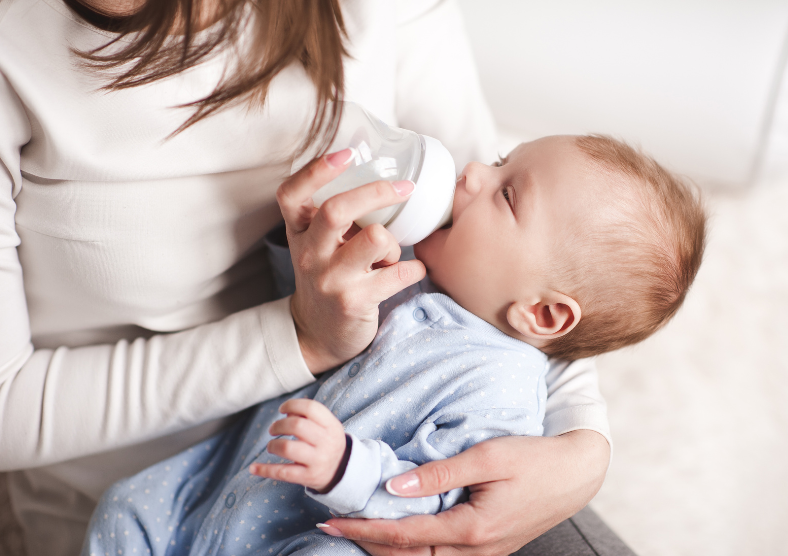
Slow-Flow Nipples for Natural Feeding Rhythm
Breast-Like Design to Prevent Nipple Confusion
Paced Feeding to Avoid Overfeeding
Reducing Nipple Confusion
Mimicking the Breast Helps Reduce Nipple Confusion- Some bottle nipples are long, firm, and fast-flowing—very different from a human nipple. These can cause your baby to develop a different latch and suck pattern than they use while breastfeeding, which may lead to confusion or a shallow latch when they return to the breast.
Bottles designed to mimic the breast in shape, feel, and flow help preserve your baby’s natural oral skills and feeding behavior. This makes it easier to transition between breast and bottle, especially for moms who are combining nursing with pumping or returning to work.
Preventing Overfeeding and Discomfort
Slow Flow Reduces the Risk of Overfeeding and Digestive Discomfort
Babies fed with fast-flow bottles often drink more than they need—not because they’re hungrier, but because the milk flows too quickly to stop. Over time, this can stretch a baby’s stomach and lead to:
-
Spitting up
-
Gas and bloating
-
Disrupted hunger/fullness cues
-
Increased fussiness
A slow-flow nipple allows babies to pause, rest, and signal when they are full, just as they do during breastfeeding. This supports paced feeding—a responsive method that reduces the risk of overfeeding and promotes healthy digestion.
Safeguarding Your Breastfeeding Journey
For breastfeeding parents, introducing a bottle can sometimes feel like a threat to supply or bonding. But when done intentionally—using a slow-flow, breast-like nipple, paced feeding, and maintaining skin-to-skin—it can become a tool of support rather than disruption.
Choosing the right bottle helps:
-
Maintain your baby’s oral reflexes
-
Reduce feeding stress for both of you
-
Encourage breastfeeding continuation alongside bottle-feeding
Choose the Right Bottle for Your Baby
Feeding your baby isn’t just about milk—it’s about connection, rhythm, and responsiveness. Whether you’re exclusively pumping, combination feeding, or supplementing, choosing a bottle that respects your baby’s biology, and using paced-feeding techniques, can help ensure that bottle-feeding supports—not sabotages—your breastfeeding goals.
Need help finding the right bottle? Contact us below.