

Understanding the Natural Instincts of Newborns
Bauer Crawling Reflex
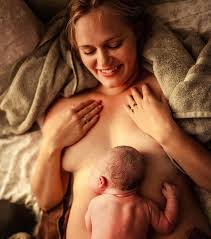
Did you know newborn babies can crawl immediately after birth?
It’s called the Bauer crawling reflex, and it is developed in the womb around 28 weeks, then disappears around 6 weeks.
The Science of Early Bonding
The rooting reflex and breast crawl are instinctual behaviors in newborns that facilitate breastfeeding and bonding. When baby is placed on the mother’s chest or belly immediately after birth, they can find the nipple and begin feeding on their own. Rooting reflex helps babies locate the breast, while the breast crawl is a natural movement that allows them to find the nipple on their own. These behaviors are crucial components of biological nurturing, promoting a strong connection between mother and child and supporting the baby’s nutritional needs and emotional security.
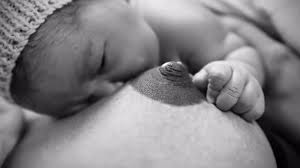
The breast crawl is survival instinct that allows babies to “find the food” and crawl up to the mother’s breast. If the mother was unable to nurse her baby for any reason immediately following birth, a baby can still find the breast by rooting, crawling and scent.
Without any assistance, this process may take about 45 minutes for baby to reach the breast. Video
How does the baby know where to go?
The colostrum produced by mom’s nipples at birth smell like abiotic fluid, so baby knows where to go!
This is also why women’s nipples get darker in pregnancy. Newborns have poor eyesight, and the darker nipples help baby locate the breast- just like a target!
This independent movement helps baby activate certain reflexes and synapses in the brain which are important for brain development.
Baby’s movements and kicks work to stimulate mom’s placenta to detach (It’s all part of the perfect design!)
Newborns are not meant to be immobilized and swaddled all the time. Let your baby crawl, learn your scent, practice skin to skin, and use those post-birth hormones to your advantage!
Understanding the Rooting Reflex and Breast Crawl
Step 1
Step 1: Observe your newborn’s natural rooting reflex, which helps them locate the breast.
Step 2
Step 2: Allow your baby to perform the breast crawl by placing them on your tummy or chest.
Step 3
Step 3: Support your baby as they latch onto the breast, guided by their instincts.
Benefits of Early Breastfeeding
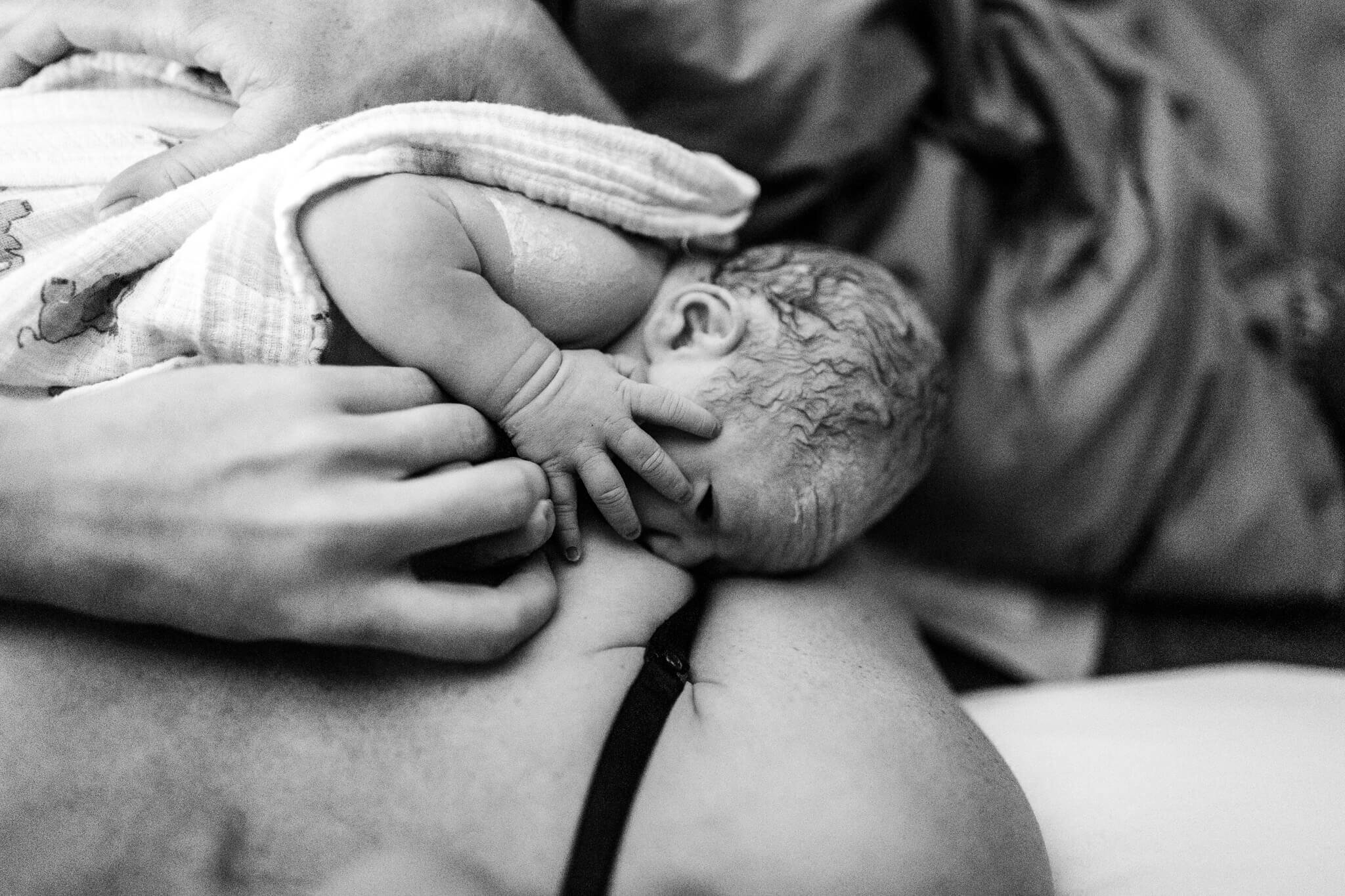
Early breastfeeding offers numerous advantages for both mother and child, setting the foundation for a healthy start.
Colostrum's Nutritional Power
Colostrum, the first form of milk produced, is rich in antibodies and nutrients, crucial for newborn immunity and development.
Establishing a Strong Milk Supply
Initiating breastfeeding early helps stimulate milk production, ensuring an adequate supply for your baby’s needs.
Bonding Through Breastfeeding
Breastfeeding fosters a deep emotional connection, enhancing the bond between mother and child from the very beginning.
Promoting Healthy Growth
Breastfeeding supports optimal growth and development, providing essential nutrients tailored to your baby’s needs.
Common Questions About Early Breastfeeding
What is the rooting reflex?
The rooting reflex is an instinctive response in newborns, prompting them to turn their head towards a touch on the cheek and open their mouth, aiding in breastfeeding.
Why is early breastfeeding important?
Early breastfeeding helps establish a strong milk supply, provides essential nutrients through colostrum, and strengthens the bond between mother and baby.
How can I encourage my baby to latch?
Skin-to-skin contact and gently guiding your baby towards the breast can help encourage a proper latch during the initial breastfeeding attempts.
What should I do if my baby doesn't latch immediately?
Stay calm and patient. Try different positions and ensure a comfortable environment. Consult a lactation consultant if needed for additional support.
How long does the rooting reflex last?
The rooting reflex is strongest in the first hour after birth but can persist for several weeks, gradually diminishing as the baby grows.
How does the Bauer crawling reflex work?
The Bauer crawling reflex is an innate instinct in newborns that helps them move towards the breast when placed on the mother’s abdomen or chest.
Baby’s independent movements and kicks work to stimulate mom’s placenta to detach (It’s all part of the perfect design!)