
Discover the Vital Role of Colostrum in Milk Production
Explore the essential first stage of milk production and its impact on quality and nutrition.

"When will my milk come in?"
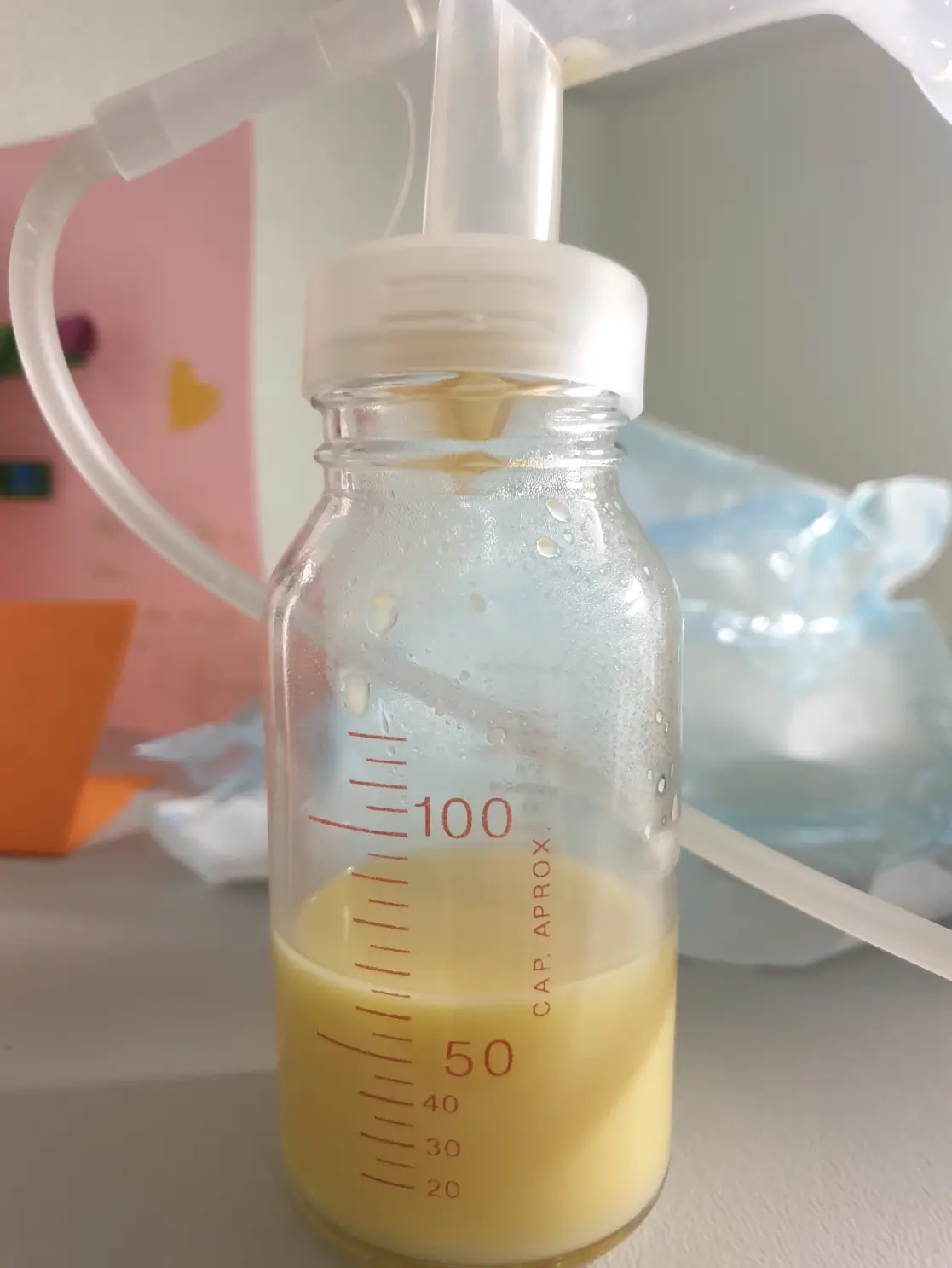
Colostrum IS milk! It is the FIRST stage of milk.
Colostrum, often referred to as “liquid gold,” is the first milk produced by the mother’s breasts. It is rich in antibodies, vitamins, and proteins, providing crucial immune system support to your newborn. The baby’s tiny stomach is designed to receive small amounts of colostrum during the first few days, making it an ideal nutrient-packed superfood to kickstart your baby’s growth and development.
“Colostrum has all the nutrients your baby needs in the first few days of life. It’s also packed with nutrients and vitamins to strengthen your baby’s immune system. The flow of colostrum from your nipples is slow so your baby can learn to breastfeed –Cleveland Breastfeeding Clinic
The Three Stages of Milk Production
Stage 1: Colostrum Production
This stage starts at the beginning of the third trimester of pregnancy. It is becomes the first milk once baby is born, providing essential nutrients and antibodies to newborns.
Stage 2: Transitional Milk
This stage occurs 2-5 days post postpartum. This is when colostral milk ends and transitional milk is produced, gradually increasing in volume and changing in composition to meet the growing needs of the baby. Blood flow within the breasts increase and copious milk secretion begins.
Stage 3: Mature Milk
Mature milk marks the establishment and maintenance of mature milk production. It occurs 8-10 days postpartum.
Discover the Benefits
Nutritional Powerhouse of Colostrum
Rich in Immunoglobulins
Colostrum is packed with immunoglobulins that help strengthen the immune system, offering protection against infections.
High Protein Content
Contains a high concentration of proteins essential for growth and development, making it a vital nutrient source.
Natural Growth Factors
Promotes healthy growth and tissue repair with its natural growth factors, supporting overall health and vitality.
Essential Vitamins and Minerals
Loaded with essential vitamins and minerals, colostrum supports optimal body function and well-being.
Gut Health Support
Contributes to a healthy digestive system by nurturing beneficial gut bacteria and enhancing nutrient absorption. Colostrum coats your baby’s intestines and seals any holes in them.
Antioxidant Properties
Rich in antioxidants, colostrum helps combat oxidative stress, protecting cells from damage.
It contains high levels of leukocytes, which are protective white cells that can destroy disease-causing bacteria and viruses. It also helps baby to pass their first stool.
When your mature milk comes in, you may feel the following signs:
- Engorgement, breast fullness, Swelling, Heaviness, Tingling
- Leaking Milk
- Change in baby’s feeding behavior
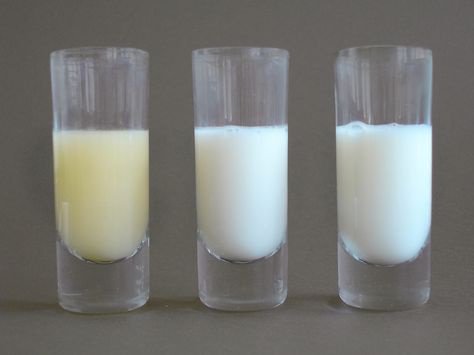
- Change in appearance of milk (from a thick and golden color to a thiner whiter color). (Unlock for pic. Of milk changes).
What can you do about engorgement?
You can hand express a little for comfort but DO NOT pump, as your supply is regulating the first 4-6 weeks.
Unless you are separated from baby, there is absolute NO need and will cause problems that you can be avoided. Pumping this early takes away from nursing on demand and establishing your milk supply. It could cause an oversupply issue, forceful letdown, mastitis, frustration from baby etc.
Using a milk catcher on the opposite breast while you nurse baby is great way to relieve engorgement!
**The Hakkaa will not increase supply (even though it says “pump” on the box). It does not stimulate the nipples repeatedly like an electrical pump will.

Your Questions Answered
Explore common inquiries about colostrum and its benefits.
What is colostrum?
Colostrum or “liquid gold”, is a thick, syrupy liquid that is yellow/golden in color. It is the first form of milk produced by mammals immediately following the delivery of the newborn. It is rich in antibodies and nutrients.
Why is colostrum yellow?
It is yellow because it has a high level of carotene and antibodies for any infections or diseases.
How does colostrum benefit the immune system?
Colostrum is nutrient dense and provides your baby with the essential proteins, vitamins, minerals antibodies, and immune factors baby needs in the first few days, until your milk changes. It will give baby a leg up to support their immune system and be protected against infections.
Colostrum contains high levels of immunoglobulins, which are antibodies that help boost the immune system and protect against pathogens.
It contains high levels of leukocytes, which are protective white cells that can destroy disease-causing bacteria and viruses. It also helps baby to pass their first stool.
What are the stages of milk production?
Milk production occurs in three stages: colostrum, transitional milk, and mature milk, each with unique nutritional profiles.
When will my milk come in?
Colostrum IS milk! It is the first stage of milk. When the phrase, “Your milk hasn’t come in yet”, is said, it shows how there is not enough education on breastfeeding and a lack of knowledge of how the woman’s body works.
But my doctor said I need to supplement because my milk hasn't come in?
This is poor advice. Supplementing would delay your mature milk from coming in. Colostrum is the first milk.
What is important is that mama is doing skin-to-skin and looking for baby hunger cues so that the body CAN transition to the more mature milk.
Supplementing would interfere with this process. The newborn needs very little milk at this time because their stomach is so small.
How much milk does my newborn need?
Colostrum is ALL your newborn needs the first few days of life since their tummies are soo small. (unlock tummy pic and The Truth About Newborn’s Tummy Size and Risk Of Overfeeding). Your newborn will only take a small amount at every feeding. You will not produce a lot, but even one drop has SO many benefits for baby!
What if me and baby are separated after birth?
If you and baby are separated after birth, begin by hand expressing and pumping until you and baby are reunited and able to latch.
What will the milk switch from colostrum to more mature milk?
About 5-8 days. This is why skin-to-skin and feeding baby on demand is important. The more baby is at the breast, the body is able to signal for more mature milk.
What will it feel like when my mature milk comes in?
When your mature milk comes in, you may feel the following signs:
- Engorgement, breast fullness, Swelling, Heaviness, Tingling
- Leaking Milk
- Change in baby’s feeding behavior
- Change in appearance of milk (from a thick and golden color to a thiner whiter color).
Can I use a Hakkaa or milk catcher to relieve engorgement?
Using a milk catcher on the opposite breast while you nurse baby is great way to relieve engorgement!
**The Hakkaa will not increase supply (even though it says “pump” on the box). It does not stimulate the nipples repeatedly like an electrical pump will.