

Power pumping is a breastfeeding technique that involves pumping breast milk in quick and intense sessions to increase milk supply. While many turn to power pumping as a way to “increase their milk production”, this practice may actually do more harm than good, creating a whole new set of problems.
First ask yourself why do you feel you have low supply. Find out what true low supply is and some things you may be experiencing that don’t actually equal low supply: Low supply and how to establish a good milk supply.
Is important to understand that true low milk supply usually occurs and has to do with the baby’s functioning of the mouth. Milk supply is based on supply and demand. So if baby is having trouble at the breast and not able extract milk fully, it is usually due to oral ties present and nothing to do with the mother’s ability to make milk.
So in case you were given this advice, let’s explore the hidden dangers of power pumping and discuss alternative methods to support a healthy milk supply.
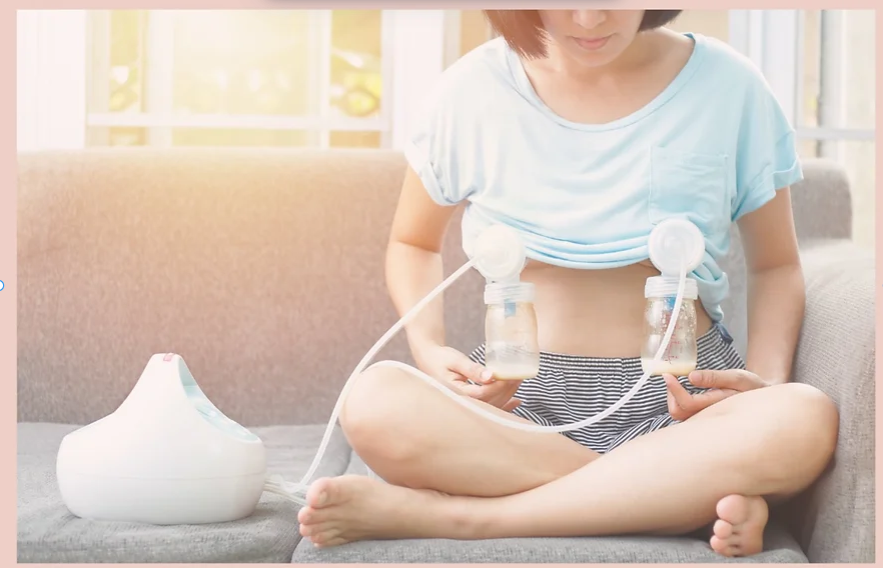
Power Pumping Can Be Incredibly Time-Consuming And Physically Exhausting
The idea behind power pumping is that it stimulates the breasts to produce more milk and increase supply. However, this method can actually have negative effects on milk production and the mama-baby breastfeeding relationship.
The process typically involves pumping for short intervals, usually 10 minutes on and 10 minutes off, over the course of an hour. This means that mothers need to find a substantial chunk of time in their already busy schedules to dedicate solely to power pumping. With the constant cycle of pumping and resting, it can be emotionally draining as well.
Power Pumping Can Lead To Nipple Trauma And Breast Discomfort
The repetitive actions of pumping can cause soreness, engorgement, and even cracked or bleeding nipples. This can make breastfeeding or pumping a painful experience, reducing the enjoyment and bonding that is often associated with nursing a baby. Additionally, the excessive pumping can also affect breast tissue, potentially leading to breast inflammation or mastitis.
Potential Negative Impact On The Mother-Baby Relationship
Breastfeeding is not just about nutrition; it is also a means of providing comfort, closeness, and emotional support to the baby. By exclusively focusing on increasing milk supply through power pumping, mothers may miss out on the natural breastfeeding experience and bonding moments with their babies. This can create feelings of guilt and disappointment, as well as negatively have an affect on the baby’s emotional well-being.
Oversupply Of Breast Milk
While some may think that having an abundance of milk is ideal, an oversupply can lead to its own set of challenges. It can cause issues such as engorgement, a fast letdown reflex, and a baby who struggles with latching and consuming an appropriate amount of milk during feedings. This can result in frustration for both the mother and the baby, making the breastfeeding journey even more challenging.
IMPORTANT: Your pump out-put is not an indictor of how much milk baby gets when nursing. Baby is way more efficient then the pump.
Low Milk Supply Issues
Because baby is MORE efficient than a breast pump, low milk supply may occur. Every woman responds differently to pumping. The amount of milk pumped does not indicate how much milk the mother is making. True low milk supply can happen if baby is not frequently at the breast.
What To Do To Establish And Keep A Good Milk Supply
-
Have baby at breast frequently. THIS is the ANSWER! The more baby nurses, the more milk your body will make.
-
Nurse on demand
-
Skin to skin
-
Remember to eat and drink throughout day.
-
Rest and relax
-
Avoid supplementing with formula
-
Do not do schedule feedings…Nurse baby on demand
-
Rule out lip and tongue ties and REVISE if necessary
Overall, power pumping seems like a good solution for a quick fix. However, with a little more information, it is clear it can do more harm than good for both mother and baby. It is important to approach this technique with caution and consult with a lactation consultant before implementing it as a solution for low milk supply.